DaVinci Resolve is an all in one professional video production software available for Windows, macOS, and Linux. It is known for its advanced color grading tools and high end workflow used in movies, television shows, and online content creation. The software is available in both a free version and a paid Studio edition, making it accessible to beginners and professionals alike.

Key Features of DaVinci Resolve

Professional Video Editing

DaVinci Resolve offers a complete non linear editing system with a fast and intuitive timeline. Users can cut, trim, and organize footage efficiently while working with high resolution formats.

Advanced Color Grading

The software is famous for its professional color grading tools. Users can adjust color, contrast, highlights, shadows, and skin tones with precision. Node based color correction allows complex grading workflows used in film production.

Visual Effects and Motion Graphics

DaVinci Resolve includes Fusion tools for visual effects and motion graphics. Editors can create titles, animations, transitions, and compositing effects directly inside the software.

Professional Audio Editing

The Fairlight audio page provides advanced audio tools including multitrack editing, noise reduction, audio mixing, and sound design. This makes DaVinci Resolve suitable for complete post production work.

AI Powered Tools

DaVinci Resolve introduces enhanced AI features such as smart object masking, face recognition, voice isolation, automatic subtitles, and scene cut detection. These tools help save time and improve editing efficiency.

High Performance Playback

The software is optimized for modern hardware and supports GPU acceleration. This allows smooth playback and fast rendering even with complex timelines and high resolution footage.

Collaboration Features

DaVinci Resolve supports collaborative workflows. Multiple users can work on the same project at the same time, making it ideal for studios and team based production environments.

Benefits of Using DaVinci Resolve

All in One Workflow

Editors do not need multiple applications for editing, grading, effects, and audio. Everything is available in one integrated platform.

Industry Standard Quality

DaVinci Resolve is trusted by professionals in film and television production, ensuring high quality output.

Free Version Available

The free version offers powerful features that are more than enough for many content creators and independent filmmakers.

Scalable for Beginners and Professionals

Users can start with basic editing and gradually explore advanced tools as their skills grow.

Regular Updates and Improvements

Blackmagic Design continuously improves DaVinci Resolve with new features, performance enhancements, and AI tools.

DaVinci Resolve is one of the most powerful and complete video editing solutions available today. With advanced color grading, professional audio tools, visual effects, and AI powered features, it meets the needs of both beginners and industry professionals. For anyone looking for a high quality video editing and post production platform, DaVinci Resolve stands out as a top tier choice.

DaVinci Resolve is the latest version of the industry leading video editing and color grading software developed by Blackmagic Design. It is widely used by filmmakers, video editors, YouTubers, and post production professionals around the world. DaVinci Resolve combines video editing, color correction, visual effects, motion graphics, and audio post production into a single powerful application.

Davinci Resolve 21.1.1 build 10
Free
Software Informations:
Developer:

Operating System:
Windows / Mac / Linux
Date Added:
2026-10-02T02:04:17.995Z

Internet Download Manager is a Windows based download manager developed to optimize file transfers from the internet. It supports HTTP, HTTPS, FTP, and several streaming protocols. The software integrates seamlessly with popular browsers and automatically captures downloadable content such as videos and audio from supported websites.

Internet Download Manager is widely used by professionals, students, and everyday users who frequently download large files or media content.

Key Features of Internet Download Manager

Accelerated Download Speed

Internet Download Manager increases download speed by splitting files into multiple parts and downloading them simultaneously. This technology makes full use of available bandwidth.

Resume Capability

If a download is interrupted due to network issues or system shutdown, Internet Download Manager can resume the download from where it stopped instead of starting over.

Browser Integration

The software integrates with major browsers such as Chrome, Firefox, Edge, and others. It automatically detects downloadable files and provides a simple download option.

Video and Audio Downloader

Internet Download Manager can download videos and audio from many streaming websites. It supports multiple formats and quality options depending on the source.

Download Scheduler

Users can schedule downloads to start or stop at specific times. This feature is useful for managing bandwidth or downloading files overnight.

File Management

The software organizes downloaded files automatically by type such as video, music, documents, or compressed files. This keeps downloads clean and easy to manage.

Queue and Batch Downloads

Internet Download Manager allows users to queue multiple downloads and process them sequentially or simultaneously based on preferences.

Virus Check Integration

The software can work with installed antivirus programs to scan downloaded files automatically, improving security.

Benefits of Using Internet Download Manager

Faster and More Reliable Downloads

Advanced acceleration and resume features ensure downloads complete successfully even on unstable connections.

Saves Time

Large files that normally take hours can be downloaded much faster using multi connection technology.

Easy to Use Interface

Internet Download Manager offers a simple and intuitive interface suitable for beginners and advanced users.

Ideal for Media Downloads

The built in video detection makes it easy to save online videos for offline viewing.

Lightweight and Efficient

The software runs efficiently in the background without consuming excessive system resources.

Internet Download Manager remains one of the most trusted and effective download managers for Windows. Its powerful acceleration technology, resume support, browser integration, and media downloading capabilities make it a must have tool for efficient internet usage. For users looking to maximize download speed and reliability, Internet Download Manager continues to be a top choice.

Internet Download Manager is one of the most popular download acceleration tools for Windows. It is designed to increase download speeds, resume interrupted transfers, and manage files efficiently. With advanced segmentation technology and browser integration, Internet Download Manager helps users download videos, documents, software, and large files faster and more reliably.

Internet Download Manager (IDM) 6.43 Build 12
$24.95
Software Informations:
Developer:

Operating System:
Windows
Date Added:
2026-10-02T00:04:24.444Z

Android Studio is the official integrated development environment for building Android applications. Developed by Google and based on the IntelliJ IDEA platform, it provides developers with the tools needed to design, build, test, debug, profile, and publish Android apps from a single development environment.

The biggest strength of Android Studio is how much of the Android development workflow it brings together. Developers can create projects, manage Gradle builds, write Kotlin or Java code, design interfaces, run applications on physical devices or emulators, inspect performance, and prepare releases without constantly switching between different applications.

Kotlin is now a major part of modern Android development, and Android Studio provides strong support for Kotlin alongside Java. Code completion, inspections, refactoring, debugging, and automated suggestions make it much easier to work with larger Android projects.

The Android Studio editor is another highlight. It provides intelligent code completion, navigation, refactoring tools, error detection, and support for the Android SDK and common development frameworks. Developers can quickly navigate between classes, resources, layouts, and project files, which becomes increasingly valuable as applications grow.

Android Studio also includes the Android Emulator. Developers can create virtual Android devices with different screen sizes, Android versions, hardware configurations, and device profiles. This makes it possible to test applications across different environments without owning every physical device.

The Layout Inspector and Compose tooling are particularly useful for UI development. Developers working with Jetpack Compose can preview interfaces directly inside the IDE, while traditional Android Views can be inspected and debugged using the built-in layout tools.

Performance analysis is another important feature. Android Studio includes profiling tools for examining CPU activity, memory usage, network activity, and other runtime characteristics. These tools can help developers identify performance bottlenecks that may not be obvious from the source code alone.

Gradle integration is also central to the Android Studio experience. Dependencies, build variants, product flavors, signing configurations, and release builds can all be managed through the Android build system. While Gradle can become complicated in larger projects, having it integrated directly into the IDE makes Android project management considerably more convenient.

Android Studio is not without drawbacks. It is a relatively demanding development environment, particularly when running the IDE, emulator, Gradle builds, and other development tools simultaneously. Large projects can also take noticeable amounts of time to index or compile, especially on machines with limited memory or slower storage.

The number of available features can also make Android Studio feel overwhelming for beginners. Developers need to become familiar with Gradle, SDK versions, emulators, build variants, dependencies, and Android-specific project structures before they can fully take advantage of the IDE.

Despite these issues, Android Studio remains difficult to avoid for serious Android development. Its close integration with the Android SDK and development ecosystem means developers get access to tools that are specifically designed around the platform rather than relying on a generic code editor.

Pros

  • Official IDE for Android development

  • Excellent Kotlin and Java support

  • Integrated Android Emulator

  • Powerful debugging and profiling tools

  • Jetpack Compose and UI development support

  • Strong Gradle integration

  • Intelligent code completion and refactoring

  • Supports multiple Android device configurations

  • Extensive Android SDK integration

  • Free and open source components

Cons

  • Relatively high system resource usage

  • Emulator can require significant CPU and RAM

  • Gradle configuration can become complicated

  • Large projects may take time to index and build

  • Can be overwhelming for beginners

Final Verdict

Android Studio is a comprehensive development environment that covers almost every stage of Android application development. From writing Kotlin code and designing interfaces to running emulators, debugging applications, analyzing performance, and creating production builds, it provides an extensive collection of tools in one package.

Its resource requirements and complexity can be frustrating on lower-end hardware, but those tradeoffs are reasonable considering how much functionality the IDE provides.

For anyone serious about developing Android applications, Android Studio remains one of the most complete and capable development environments available.

Android Studio Rabbit 1 | 2026.2.1
Free
Software Informations:
Developer:

Operating System:
Windows / macOS / Linux
Date Added:
2026-10-01T23:04:23.842Z

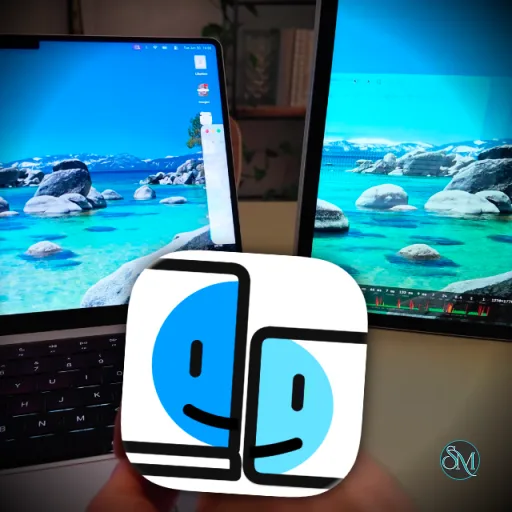
OpenDisplay is a free, open-source utility that turns an iPhone or iPad into a true second monitor for a Mac. Unlike simple screen mirroring, it creates a virtual display that macOS treats as an additional monitor. The connection can use USB or WiFi, with support for Retina resolution, touch input, portrait mode, and low-latency H.264 streaming.

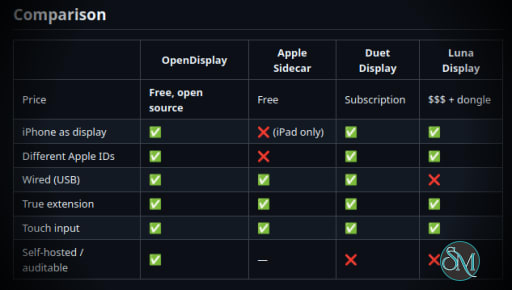
OpenDisplay focuses on providing a straightforward alternative to Sidecar and commercial second-display applications.

The main feature is true display extension. Windows can be moved between the Mac's main display and the iPhone or iPad, and the additional screen can be arranged through macOS display settings. Screen mirroring is also available.

USB connectivity is designed for low latency and works through macOS's built-in usbmuxd. WiFi connectivity is also supported, with Bonjour providing automatic device discovery on the local network.

The application supports Retina and HiDPI output, matching the device panel at its native pixel density. Touch input allows tapping, dragging, and two-finger scrolling, while the display can be used in either portrait or landscape orientation.

OpenDisplay uses hardware H.264 encoding through VideoToolbox and includes several latency-oriented optimizations. The project also supports using a spare Mac as a display through a separate receiver application.

Performance and Compatibility

OpenDisplay is designed around low-latency streaming rather than conventional USB display hardware. The Mac creates a virtual display, captures it using ScreenCaptureKit, encodes the frames using hardware H.264, and sends them to the receiving device over TCP.

USB is the recommended connection when latency and stability are important because it avoids WiFi interference. WiFi provides more flexibility but depends on the quality of the local network.

Recent releases have also included performance improvements aimed at reducing lag spikes during scrolling and fast drawing.

The current receiver supports iPhone and iPad devices running iOS or iPadOS 16 or newer. The Mac sender requires macOS 14 or newer. A separate Mac receiver supports macOS 12 Monterey or newer.

One limitation is that the project relies on a private CoreGraphics API for virtual display creation. This is one reason OpenDisplay is distributed outside the Mac App Store.

Download OpenDisplay v1.25.0 - Software Mirrors

OpenDisplay v1.25.0 for macOS

OpenDisplayReceiver.dmg | 1.81 MB

OpenDisplay.dmg | 2.16 MB

OpenDisplay v1.25.0 Source Code

OpenDisplay v1.25.0 Source code (zip)

OpenDisplay v1.25.0 Source code (tar.gz)

OpenDisplay v1.25.0 Release Notes:

1.25.0 (2026-10-01)

Features

  • ios: tidy idle screen, rate prompt and About links (#350) (472e785)
  • mac: per-device Display size on the sender (#347) (a930071)
  • mac: sender decides the desktop from hello.panel (#345) (f0d211a)

Bug Fixes

  • mac: Display size popover hugs its content, captions show only the size (#352) (b3c909a)
  • mac: keep small iPhones at 2x with the macOS minimum (#346) (d24afad)
OpenDisplay Comparison

System Requirements

Mac sender

  • macOS 14 or newer

  • iPhone or iPad running iOS or iPadOS 16 or newer

  • USB data cable for wired operation, or a local WiFi network

  • Screen Recording permission

  • Accessibility permission for touch and scrolling

  • Local Network permission when using WiFi

Mac receiver

  • macOS 12 Monterey or newer

  • WiFi, Ethernet, Thunderbolt, or supported USB-C networking connection

A data-capable USB cable is required for USB mode. A charge-only cable will not work.

Pros and Cons

Pros

  • Free and open source

  • Turns an iPhone or iPad into a real extended display

  • USB and WiFi connectivity

  • Retina and HiDPI support

  • Touch and two-finger scrolling

  • Portrait and landscape modes

  • Hardware H.264 encoding

  • No account or subscription required

  • Screen data stays directly between the connected devices

  • Supports multiple connected displays

Cons

  • Requires a Mac as the sending computer

  • macOS 14 or newer is required for the sender

  • Requires several macOS and iOS permissions

  • WiFi performance depends on the local network

  • Uses a private macOS API

  • Some features such as Apple Pencil support and HEVC are still on the roadmap

How to Install

For the Mac, download the prebuilt OpenDisplay application and install it in the Applications folder. The project provides signed and notarized Mac releases.

On the iPhone or iPad, install the receiver through the project's TestFlight beta or build the application from source using Xcode.

After opening the applications, connect the iPhone or iPad to the Mac with a data-capable USB cable for the lowest-latency setup. Alternatively, connect both devices to the same WiFi network and select the device from OpenDisplay's connection menu.

On the first run, allow Screen Recording and Accessibility permissions on the Mac. WiFi mode additionally requires Local Network permission on both devices.

Final Verdict

OpenDisplay is one of the more interesting open-source options for using an iPhone or iPad as a second monitor on a Mac. Its biggest advantage is that it provides a genuine extended display rather than simply mirroring the Mac screen, while avoiding subscriptions, dedicated hardware, and user accounts.

USB connectivity, Retina output, touch input, and hardware H.264 encoding make it practical for secondary-screen tasks. The main drawbacks are its Apple-only ecosystem, macOS permission requirements, and reliance on a private API.

For Mac users with a spare iPhone or iPad, OpenDisplay is a strong free alternative to commercial second-display solutions.

OpenDisplay v1.25.0
Free
Software Informations:
Developer:

Operating System:
macOS
Date Added:
2026-10-01T20:04:19.008Z

OpenCoworker is an open-source AI agent application that allows users to assign real-world tasks to AI models that can operate on files, documents, coding projects, and connected tools.

Unlike traditional AI chat interfaces, OpenCoworker can:

  • Work inside local folders

  • Create and modify files

  • Schedule recurring tasks

  • Connect to external tools

  • Use MCP servers

  • Operate with multiple AI providers

  • Maintain long-running workflows

The platform is designed to function more like a digital coworker than a conversational assistant.

The result is a platform that attempts to bridge the gap between AI chatbots and autonomous agents by allowing AI models to work directly with files, folders, automations, and external tools on a user's machine.

Relationship to aisuite

A common misconception is that OpenCoworker and aisuite are the same product.

In reality, aisuite is a lightweight open-source library created to provide a unified API across multiple AI providers, allowing developers to switch between models using a consistent interface. It supports providers such as OpenAI, Anthropic, Google, Ollama, AWS, Mistral, and others.

OpenCoworker builds on similar multi-model concepts but focuses on practical task execution rather than API abstraction.

For developers, aisuite serves as infrastructure.

For end users, OpenCoworker serves as the application layer.

Download aisuite OpenWorker v0.3.0 - Software Mirrors

aisuite OpenWorker v0.3.0 for Windows

OpenWorker_0.3.0_x64_en-US.msi | 73.51 MB

OpenWorker_0.3.0_x64-setup.exe | 61.75 MB

OpenWorker-windows.msi | 73.51 MB

OpenWorker-windows-setup.exe | 61.75 MB

aisuite OpenWorker v0.3.0 for macOS

OpenWorker_0.3.0_x86_64.dmg | 79.16 MB

OpenWorker_0.3.0_aarch64.dmg | 77.47 MB

OpenWorker-macos-x64.dmg | 79.16 MB

OpenWorker-macos-x64.app.tar.gz | 79.98 MB

OpenWorker-macos-arm64.dmg | 77.47 MB

OpenWorker-macos-arm64.app.tar.gz | 78.62 MB

Others Download related to aisuite OpenWorker v0.3.0

openworker-linux-x86_64.tar.gz | 91.95 MB

openworker-linux-aarch64.tar.gz | 90.19 MB

openworker-0.3.0-linux-x86_64.tar.gz | 91.95 MB

openworker-0.3.0-linux-aarch64.tar.gz | 90.19 MB

aisuite OpenWorker v0.3.0 Source Code

aisuite OpenWorker v0.3.0 Source code (zip)

aisuite OpenWorker v0.3.0 Source code (tar.gz)

aisuite OpenWorker v0.3.0 Release Notes:

OpenWorker 0.3.0

Agent Security OpenWorker now provides multiple layers of protection for AI agents. The approval system and the permission ladder decide what an agent _may_ do, and a secure runtime now sets a hard limit on what it _can_ do. OpenWorker integrates the OpenShell secure runtime from the NVIDIA Open Agent Safety Platform, announced this week. It is an enforceable boundary outside the model and the agent harness. Every agent runs in its own Linux container, with Landlock and seccomp on every process. This enables Users to restrict AI agents to only allowed files and allowed websites. Even if an agent is misled by a prompt injection or drifts from its task, it cannot read your other files, take your keys, or reach anywhere else. Docker (or Docker Desktop) needs to be installed on Mac, Windows or Linux to allow OpenWorker to setup and use OpenShell. In absence of Docker, sandboxing is still provided using OS specific primitives. Detailed architecture to come soon as a blog and docs. Thanks to @devikaverma for this researching and enabling above techniques inside OpenWorker to provide a more secure way to run AI agents. Set it up in Settings ▸ Sandbox. Machines. Run OpenWorker on a different machine and use it from the desktop app. Sessions live on that remote machine and keep running when your laptop is closed. Join a machine from Settings ▸ Machines. This enables several use cases like 24x7 code reviewer agent, or an agent that answers question from Slack. openworker command line. On Linux, install it with one command:

curl -fsSL https://raw.githubusercontent.com/andrewyng/openworker/main/packaging/install.sh | sh
Or download it below: openworker-linux-x86_64.tar.gz or openworker-linux-aarch64.tar.gz. The command line can be used to make a remote openworker join the Desktop app, allowing the user to control it remotely. Also: the app is in English and Simplified Chinese; many fixes to the agent loop, approvals, scheduled tasks and MCP tools. More languages are in the roadmap. Downloads: Mac (Apple Silicon: OpenWorker-macos-arm64.dmg; Intel: OpenWorker-macos-x64.dmg), Windows (OpenWorker-windows-setup.exe), Linux (above).

What's Changed

  • Updating README by @rohitprasad15 in #569
  • security(teams): enforce worker visibility on board item reads by @rakeshutekar in #585
  • fix(teams): enforce attachment read authorization by @rakeshutekar in #586
  • Add GUI internationalization with English and Simplified Chinese by @jasmine889966 in #127
  • fix: scheduled task can run twice when an approval lands on a tick by @Saidheerajgollu in #379
  • Parse inbox reply intent from the leading word, not substrings by @Saidheerajgollu in #24
  • Reject path-traversal session ids in the conversation store by @Saidheerajgollu in #55
  • Recover truncated tool calls, and never pass a leaked one off as an answer by @hacksics in #219
  • Tolerate a corrupt line when loading a conversation .jsonl by @Saidheerajgollu in #56
  • Make the conversation-log shrink rewrite atomic (prevent history loss on a mid-write crash) by @lifrary in #70
  • fix: repair tool-call/result pairing on load to prevent unrecoverable 400 errors by @rkfshakti in #350
  • fix(skills): confine staged upload tokens by @mo-tunn in #548
  • MCP permission model: EXTERNAL floor, durable per-tool trust, fixed approval cards (OPE-136) by @devikaverma in #598
  • fix(engine): agent loop fixes for long, tool-heavy sessions (OPE-156) by @devikaverma in #669
  • setup_dev_env.sh: install the bedrock extra so a fresh env passes the test suite by @xiaonancui in #285
  • fix: handle Windows drive-letter paths in grep (ripgrep) output by @engmohamedsalah in #123
  • fix: preserve exception chain in RelayHub.wait_dispatched by @Anuj04432 in #172
  • fix: add httpx2 dev dependency to silence Starlette TestClient deprec… by @Aadhithya-arulvanan in #183
  • security: reject shell variable expansion in read-only grants by @harneet2512 in #566
  • fix: make Bedrock verification and tests tolerate missing optional boto3 by @tyoon10 in #554
  • fix(tests): import ExceptionGroup from backport for Python 3.10 compatibility by @tyoon10 in #555
  • Escape LIKE wildcards when re-keying board cursors by @tyoon10 in #556
  • fix: add coverage measurement and reporting to CI by @rkfshakti in #328
  • Remote machines, agent-team cards, and connectors across machines by @rohitprasad15 in #672
  • CLI: openworker join, up and machine commands; package publishes as openworker by @rohitprasad15 in #673
  • Add Team View and harden agent-team coordination by @rohitprasad15 in #679
  • Add support for Sandboxing using NVIDIA OpenShell by @devikaverma in #684
  • Add docs for OpenShell support by @rohitprasad15 in #685
  • feat(sandbox): guided OpenShell setup, readiness checks, switching for open sessions (OPE-205, OPE-206, OPE-207, OPE-208, OPE-209) by @devikaverma in #699
  • Sandboxing improvements for Windows and Mac by @rohitprasad15 in #700
  • Simplify the Sandbox settings page. by @rohitprasad15 in #701
  • Fix KeyError 'none' crash in openai_compat_effort for unlisted model ids by @aashish254 in #677
  • OpenShell clean-up removes only the sandboxes its own state folder made by @rohitprasad15 in #704
  • Linux: build openworker as one program, no Python needed by @rohitprasad15 in #705
  • fix(mentions): a corrupt mention_threads.json must not brick server startup by @Lesereingrape in #690
  • fix(providers): handle effort "none" on every provider, Anthropic omits it, OpenAI-compat sends it (#702) by @devikaverma in #703
  • fix(security): refuse find's fprint family under a bare allowlist entry by @rkfshakti in #688
  • Release 0.3.0: Linux download and install script by @rohitprasad15 in #706

New Contributors

  • @rakeshutekar made their first contribution in #585
  • @jasmine889966 made their first contribution in #127
  • @Saidheerajgollu made their first contribution in #379
  • @hacksics made their first contribution in #219
  • @lifrary made their first contribution in #70
  • @mo-tunn made their first contribution in #548
  • @xiaonancui made their first contribution in #285
  • @engmohamedsalah made their first contribution in #123
  • @Anuj04432 made their first contribution in #172
  • @Aadhithya-arulvanan made their first contribution in #183
  • @harneet2512 made their first contribution in #566
  • @tyoon10 made their first contribution in #554
  • @aashish254 made their first contribution in #677
  • @Lesereingrape made their first contribution in #690
Full Changelog: v0.2.1...v0.3.0

Key Features of OpenCoworker

Bring Your Own Model

One of OpenCoworker's strongest features is model flexibility.

Users can connect:

  • OpenAI models

  • Anthropic Claude models

  • Google Gemini models

  • Local Ollama models

Switching between models can be done per conversation or task.

Real File Access

Unlike chatbot interfaces that generate text outputs, OpenCoworker can work directly with user files.

The agent can:

  • Create documents

  • Edit existing files

  • Generate reports

  • Build project structures

  • Produce assets stored on disk

Everything remains accessible as standard files on the user's system.

Automations

The application supports scheduled workflows.

Examples include:

  • Daily summaries

  • Market reports

  • Research updates

  • File processing jobs

  • Recurring content generation

These tasks can execute automatically without requiring continuous user supervision.

MCP Support

OpenCoworker supports the Model Context Protocol (MCP), allowing integration with external tools and services through standardized interfaces.

This significantly expands the capabilities of the platform beyond simple file manipulation.

Security Controls

The application includes approval-based workflows for potentially risky operations.

Users remain in control of sensitive actions rather than granting unrestricted autonomy to AI agents.

User Experience

The experience feels noticeably different from ChatGPT, Claude, or Gemini.

Instead of repeatedly prompting a chatbot, users assign objectives and review outputs.

For example, a user might ask OpenCoworker to:

  • Research a topic

  • Generate a report

  • Create project files

  • Update documentation

  • Organize data

The agent then performs the work and produces actual files rather than simply displaying responses in a chat window.

The interface is relatively approachable compared to many agent frameworks, though it still requires a basic understanding of AI models, permissions, and workflows.

Performance

Performance depends primarily on:

  • Selected AI model

  • Hardware resources

  • Task complexity

  • External tool integrations

Simple document-generation tasks are typically fast.

More complex workflows involving coding, MCP tools, or large projects can take significantly longer, depending on the chosen model and environment.

Open Source Advantages

Being open source offers several benefits:

  • Transparency

  • Community contributions

  • Self-hosting options

  • No vendor lock-in

  • Greater privacy control

Users can inspect the codebase and customize deployments according to their needs.

Community Feedback

Developer discussions generally highlight two major strengths:

  • Simplicity

  • Model flexibility

Many users appreciate the philosophy inherited from aisuite, where switching AI providers requires minimal effort. Others view unified AI abstraction layers as useful for experimentation but question how often model switching is required in production.

Community feedback regarding aisuite itself frequently praises its beginner-friendly design and low learning curve, though some developers note that larger frameworks may provide more extensive documentation and ecosystem support.

Limitations

Despite its promise, OpenCoworker remains an early-stage project.

Current limitations include:

  • Smaller community than established AI platforms

  • Reliance on external model APIs

  • Requires API keys or local models

  • Limited ecosystem compared to mature agent frameworks

  • Some workflows still require manual supervision

The platform is better viewed as a productivity assistant than a fully autonomous employee.

Pros

  • Open source

  • Supports multiple AI providers

  • Real file creation and editing

  • MCP integration

  • Automation capabilities

  • User-controlled permissions

  • Flexible deployment options

  • Beginner-friendly compared to many agent frameworks

Cons

  • Early-stage project

  • Smaller ecosystem

  • Requires external AI providers or local models

  • Advanced workflows may need technical knowledge

  • Limited long-term production track record

Who Should Use OpenCoworker?

OpenCoworker is ideal for:

  • Developers

  • Technical writers

  • Researchers

  • AI enthusiasts

  • Content creators

  • Small teams

  • Users experimenting with AI agents

It is particularly useful for people who want AI to generate actual work products rather than simply provide conversational responses.

OpenCoworker offers an interesting vision of what desktop AI agents can become. By combining real file access, automation, multi-model support, and open-source flexibility, it delivers capabilities that go beyond traditional AI chat applications. While the platform is still young and its ecosystem is evolving, it already provides a compelling environment for users looking to experiment with practical AI coworkers rather than simple conversational assistants.

aisuite OpenWorker v0.3.0
Free
Software Informations:
Developer:

Operating System:
Windows / macOS
Date Added:
2026-10-01T20:04:18.777Z

EarthView is a desktop enhancement application that displays realistic images of Earth on your computer background. It shows day and night cycles, city lights, atmospheric effects, and cloud cover to reflect the real-time appearance of Earth from space. EarthView also includes a world map and screensaver mode.

This software is designed for users who want an animated and informative desktop background that changes with time.


Key Features of EarthView

Dynamic Earth Backgrounds

The core feature of EarthView is its dynamic desktop wallpaper. It shows a realistic Earth image that:

  • Changes based on the time of day

  • Displays visible sunlight and shadow

  • Includes city lights at night

  • Can show real-time cloud coverage

These visuals add depth and realism to your desktop environment.

Multiple Map Styles

EarthView offers several globe and flat map styles, including:

  • Natural color satellite views

  • Political maps

  • Topographic and terrain maps

You can switch between styles to suit your preference.

Screensaver Mode

EarthView includes a screensaver that displays the Earth with smooth transitions and effects. It can be set to start automatically when your system is idle.

Customization Options

Users can adjust settings such as:

  • Map resolution and detail

  • Label sets (city names, landmarks)

  • Sunlight and shadow effects

  • Background colors and border styles

These options help tailor the appearance to your taste.

World Clock and Information

EarthView can show local times for different regions, sunrise/sunset times, and geographic coordinates. This is handy for users interested in global time zones or travel planning.


Performance and User Experience

EarthView is lightweight and runs smoothly on most Windows systems. It uses minimal system resources, even with high-resolution backgrounds and dynamic effects enabled. Setting up your first EarthView background is simple, and the preferences panel organizes settings clearly.

Users can choose automatic or manual updates for cloud imagery and other real-time effects.


Pros and Cons

Pros

  • Beautiful, dynamic desktop backgrounds

  • Multiple map styles and customization

  • Lightweight with low resource usage

  • Screensaver and world clock features

  • Easy to install and configure

Cons

  • Limited interactive map features

  • Not available for macOS or Linux natively

  • Some advanced customization can be confusing for first-time users


Final Verdict

EarthView is a standout desktop enhancement tool that brings your background to life with realistic Earth imagery and effects. With flexible map styles and smooth performance, it is a great choice for users who want a desktop that’s both beautiful and informative.

If you enjoy stunning desktop backgrounds that change with time and location, EarthView is a unique and eye-catching application worth considering. EarthView combines beautiful imagery with practical world map features, making it more than just a wallpaper tool.

For dynamic wallpapers and interactive globe visuals on your desktop, EarthView is an enjoyable and reliable option.

EarthView 7.19.0
Software Informations:
Developer:

Operating System:
Windows
Date Added:
2026-10-01T19:04:18.452Z

Trivy is an open source security scanning tool that analyzes container images, file systems, repositories, and cloud configurations. It helps teams identify known vulnerabilities and security risks before applications are deployed to production.

The tool integrates easily into continuous integration and continuous deployment pipelines, making it suitable for both small teams and enterprise environments.

Key Features

Trivy scans container images for operating system and application dependency vulnerabilities. It also supports file system and repository scanning to detect issues in source code and packaged applications.

The tool can identify misconfigurations in infrastructure as code files such as Kubernetes manifests and Terraform configurations. It also detects exposed secrets like API keys and tokens stored in repositories.

Trivy provides clear and actionable scan results with severity levels, helping teams prioritize fixes efficiently.

Ease of Use

Trivy is designed to be easy to use with minimal setup. A single command is often enough to start scanning, and results are returned quickly.

Its straightforward output format makes it suitable for developers, security engineers, and automation pipelines without requiring complex configuration.

Performance and Compatibility

Trivy is lightweight and fast, even when scanning large container images or repositories. It supports major operating systems and works well in local development environments, CI pipelines, and cloud based workflows.

It is compatible with popular container runtimes and orchestration platforms commonly used in modern DevOps setups.

Pros and Cons

Advantages include fast scanning speed, wide coverage across containers and infrastructure code, simple command line usage, and strong integration with CI pipelines.

Limitations include limited advanced reporting features in default output, dependency on vulnerability databases that require regular updates, and focus primarily on detection rather than remediation.

Final Verdict

Trivy is a powerful and practical security scanning tool for modern application development. Its ability to quickly identify vulnerabilities and misconfigurations makes it a valuable component of secure DevOps pipelines.

For teams seeking an efficient and developer friendly security scanner, Trivy is a highly recommended solution.

Trivy is a fast and reliable security scanner designed to detect vulnerabilities, misconfigurations, and sensitive information across modern application environments. It is widely used in DevOps and cloud native workflows to improve software security early in the development lifecycle. Trivy is known for its simplicity, speed, and broad coverage.

Trivy v0.75.0
Free
Software Informations:
Developer:

Operating System:
Windows / macOS / Linux / FreeBSD
Date Added:
2026-10-01T16:04:01.438Z

NTLite is a Windows deployment and customization tool developed by Nlitesoft. It allows users to modify Windows installation images before installation or adjust existing systems after deployment.

The software is commonly used by system administrators, IT professionals, and advanced users to streamline Windows setups, remove unnecessary components, and automate installation processes.

NTLite supports various versions of Windows, including Windows 7, 8, 10, and newer releases.


Key Features of NTLite

Windows Image Customization

NTLite allows users to customize Windows installation images (ISO or WIM files) before installation.

Users can:

  • Remove unwanted Windows components

  • Integrate drivers and updates

  • Preconfigure system settings

  • Optimize system performance

This helps create a lightweight and tailored Windows installation.


Live System Editing

In addition to offline image customization, NTLite can modify an already installed Windows system.

Users can:

  • Remove unnecessary features

  • Adjust system settings

  • Optimize performance in real time

This flexibility makes it useful both before and after Windows installation.


Driver Integration

NTLite allows users to integrate hardware drivers directly into the Windows installation image.

This ensures that essential drivers are available during installation, which is especially useful for:

  • New hardware

  • RAID or NVMe storage controllers

  • Network adapters

Driver integration reduces the need for manual driver installation after setup.


Windows Update Integration

The software can integrate Windows updates, patches, and service packs into installation images.

This ensures that systems are up to date immediately after installation, reducing the need for lengthy update processes.


Unattended Installation Setup

NTLite supports unattended installation configuration, allowing users to automate the Windows setup process.

Users can predefine:

  • Language and region settings

  • User accounts

  • Product keys

  • Privacy settings

This feature is especially useful for deploying Windows across multiple systems.


Component Removal

One of the most popular features of NTLite is the ability to remove unwanted Windows components.

Examples include:

  • Preinstalled apps

  • System services

  • Optional Windows features

Removing unnecessary components can reduce system resource usage and improve performance.


Registry and Tweaks Management

NTLite provides advanced control over Windows registry settings and system tweaks.

Users can apply performance optimizations, disable unwanted services, and customize system behavior at a deeper level.


Bootable ISO Creation

After customization, NTLite allows users to create bootable ISO images for installation.

This makes it easy to deploy customized Windows builds across multiple machines.


Performance and Usability

NTLite offers a modern interface that organizes features into clear sections such as components, updates, drivers, and settings.

While the interface is user friendly for experienced users, beginners may need time to understand the impact of certain changes, especially when removing system components.

Incorrect configurations can lead to system instability, so careful testing is recommended.


Pros and Cons

Advantages

  • Powerful Windows customization and deployment tool

  • Supports both offline and live system editing

  • Integrates drivers and updates into installation images

  • Enables unattended Windows installation

  • Helps reduce system bloat and improve performance

Limitations

  • Advanced features may require technical knowledge

  • Incorrect component removal can cause system issues

  • Full functionality requires a paid license

  • Limited usefulness for casual users


Who Should Use NTLite

NTLite is best suited for:

  • IT professionals deploying Windows systems

  • System administrators managing multiple computers

  • Advanced users customizing Windows installations

  • Enthusiasts creating lightweight Windows builds

It is particularly useful in enterprise environments or scenarios where multiple systems need to be configured consistently.


Final Verdict

NTLite is a powerful Windows customization and deployment tool that offers deep control over installation images and live systems. With features such as component removal, driver integration, and unattended setup configuration, it enables users to create optimized and tailored Windows environments.

For IT professionals and advanced users who need precise control over Windows installations, NTLite provides a comprehensive and efficient solution.

Customizing and optimizing Windows installations can save time, reduce system resource usage, and improve performance. NTLite is a powerful Windows configuration tool designed to help users customize, deploy, and manage Windows installations with advanced control.

NTLite 2026.09.12311
Free
Software Informations:
Developer:

Operating System:
Windows
Date Added:
2026-10-01T14:04:00.694Z

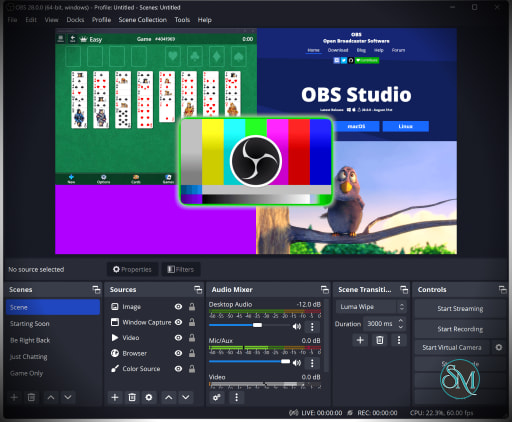
OBS Studio, short for Open Broadcaster Software Studio, is a free and open source application that allows users to record screens and stream live video to popular platforms. It supports Windows, macOS, and Linux. The software is known for its stability, customization options, and professional grade features, despite being completely free to use.

OBS Studio is commonly used for live streaming on platforms such as YouTube, Twitch, Facebook Live, and custom RTMP servers. It is also widely used for creating tutorials, gameplay recordings, online classes, webinars, and professional presentations.

Download OBS Studio 33.0.0-beta5

Download for Windows

Download for MacOS

Download for Linux

Download Installer (arm64/zip) | 190.66 MB
GitHub | fastly

Download Installer (x64/exe) | 178.01 MB
GitHub | fastly | Bittorent

Download Installer (x64/zip) | 213.37 MB
GitHub | fastly

Download Installer (arm64/Apple Silicon) | 199.01 MB
GitHub | fastly | Bittorent

Download Installer (x86_64/Intel) | 210.52 MB
GitHub | fastly | Bittorent

Download Installer (x86_64/DEB) | 151.93 MB
GitHub | fastly | FlatHub

Build Instructions

Support the OBS Project

Key Features of OBS Studio

High Quality Screen Recording

OBS Studio captures full screen, specific windows, or custom regions in high resolution. Users can record videos with smooth frame rates and clear audio, suitable for professional content creation.

Advanced Live Streaming

The software supports live streaming to multiple platforms with configurable bitrates, resolutions, and encoders. This ensures stable and high quality streams even during long sessions.

Scene and Source Management

Users can create multiple scenes and switch between them instantly. Each scene can include screen capture, webcam, images, text, media files, and browser sources.

Real Time Audio and Video Mixing

OBS Studio includes a built in audio mixer with noise suppression, gain control, and audio monitoring. Video filters such as color correction and chroma key are also supported.

Studio Mode

Studio Mode allows users to preview scenes before pushing them live. This feature is useful for professional broadcasts where smooth transitions are important.

Plugin and Extension Support

OBS Studio supports a wide range of plugins created by the community. These plugins extend functionality with features such as virtual cameras, advanced transitions, and automation tools.

Hardware Acceleration

The software supports hardware encoding using modern GPUs. This improves performance and reduces CPU usage during recording or streaming.

Custom Output Settings

Advanced users can fine tune recording formats, streaming protocols, bitrates, and encoder settings for maximum control and quality.

Benefits of Using OBS Studio

Completely Free and Open Source

OBS Studio offers professional features without any cost. There are no subscriptions, watermarks, or usage limits.

Trusted by Professionals

Many professional streamers and production teams rely on OBS Studio for daily broadcasts and recordings.

Highly Customizable

From layouts to hotkeys, almost every aspect of OBS Studio can be customized to match user workflows.

Cross Platform Support

OBS Studio works on multiple operating systems, making it accessible to a wide range of users.

Strong Community Support

The software has a large and active community that provides tutorials, plugins, themes, and troubleshooting help.

OBS Studio is one of the most powerful and dependable tools for screen recording and live streaming. With advanced features, deep customization, and zero cost, it stands as an industry standard for creators and professionals alike. Whether you are streaming games, teaching online, or producing high quality video content, OBS Studio provides everything needed for reliable and professional results.

OBS Studio is a widely used open source software for screen recording and live streaming. It is trusted by content creators, gamers, educators, and professionals around the world. OBS Studio offers advanced capture tools, real time audio video mixing, and flexible output settings, making it one of the most powerful and reliable broadcasting solutions available today.

OBS Studio 33.0.0-beta5
Free
Software Informations:
Developer:

Operating System:
Windows / Mac / Linux
Date Added:
2026-10-01T13:03:59.581Z